Color Basics for Acrylic Painting
I'm going to show you the basics on the color wheel.
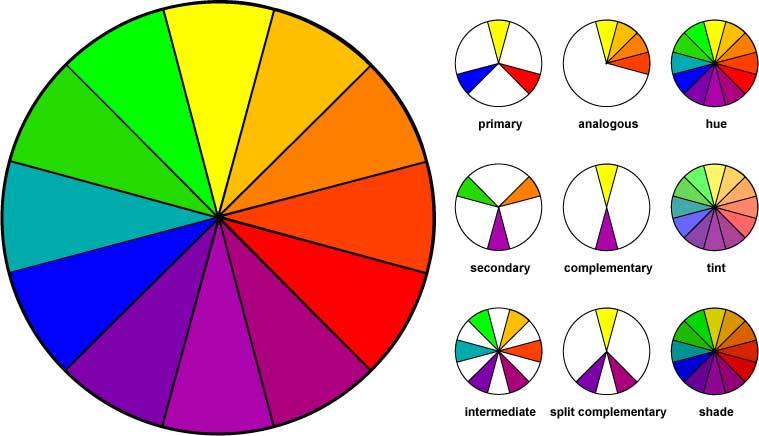
Your primary colors are red, yellow and blue. Your secondary colors are purple, which are between red and blue, orange between red and yellow and green, between yellow and blue.
If you mix two of the primary colors, say red and yellow together, you will get an orange color (the secondary color).
Complementary colors are the colors that are opposite of one another on the wheel. What this does is that you if you paint a painting and you put these two colors next to each other, one part of the color is going to stand out and this is very important with painting. For example, you paint a copper pot and of course the copper pot is an orange based color, now if you put a blue background in it or blue curtain in the background it makes the pot come forward and srands out more and makes it look brighter too. BUT if you mix these two colors together, like purple and yellow or blue and orange you'll get what we call mud, so you don’t want to do that. They thus compliment each other when painted next to each other, but to mix them is not good.
It will just benefit if you to get a good color wheel. It tells you your tints, it's the effect it will have when you add a little bit of white and what will happen if you add a bit of black, as that gives you a bit of shade and you are going to need that when you tone your color because you can brighten or dull your color also. It also helps you to look at your painting on the background if it shows you triangles.
When you are painting, you want to try to stay in a triangle color or complementary color as it makes your painting a little bit prettier.
Supplies Basics for Acrylic Painting
Here we show you some of the types of items and supplies that you need to start painting in acrylics. We will start with brushes for example, as I explained before.
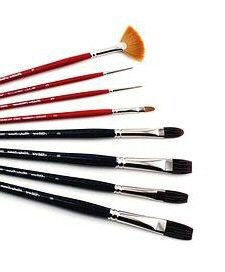
You have a cleaner and tubs for water. Any kind of tub you can use, like an ice cream tub, a CD spindle or anything that holds water. Paper towels for dabbing your brushes and cleaning up.
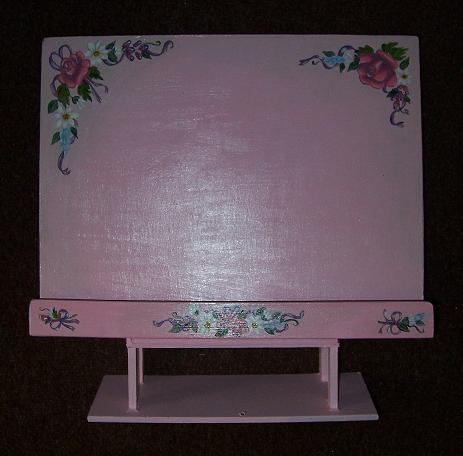
Easels for example, a table easel as like this one or the ordinary ones you buy at artshops. If you preferring painting on bigger canvases, you might want to use a sturdy bigger type.
HINT:
You can use disposable containers to hold your paints that you are busy with in a tub that you want to keep your paints wet. It must have a sponge inside that you can wet or you can use plates that you can put cellophane over afterwards, it does save your paints a little. Little food tubs with lids or anything that you can even throw away later will do too.
